

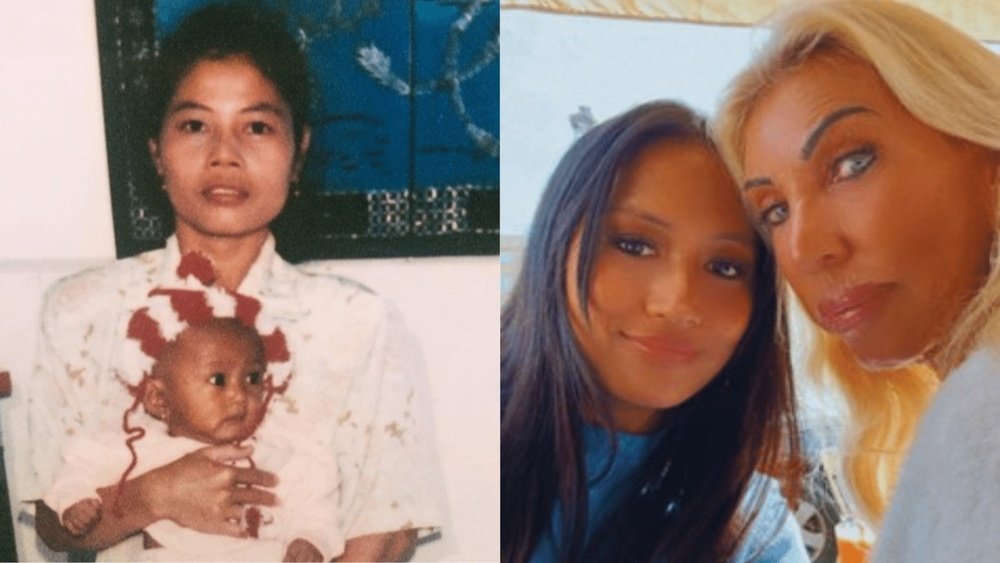
Have you ever wondered what it truly means to belong? For adoptees, this question runs deep, touching the heart of identity and the search for where they fit in the world.
You might feel a unique mix of emotions—curiosity, loss, or even confusion—as you try to piece together your story. This journey isn’t always straightforward. It can challenge how you see yourself and your place among family, friends, and society. But understanding adoptee identity and belonging can unlock a powerful sense of self and connection.
Keep reading to discover insights that can help you embrace your story, overcome struggles, and find where you truly belong.

Credit: www.youtube.com
Adoptee Identity Challenges
Adoptees often face unique identity challenges that affect their sense of self and belonging. These challenges can impact their emotional well-being and personal growth. Understanding these struggles helps create empathy and support for adoptees on their journey.
Loss And Grief
Many adoptees feel a profound sense of loss. This loss stems from separation from birth parents and original family roots. Even in loving adoptive homes, this grief can remain deep. It may emerge suddenly or quietly over time. Processing this loss is vital for emotional healing.
Identity Formation Struggles
Adoptees often find it hard to build a clear identity. Missing pieces of their history cause confusion about who they are. They may question their cultural background and personal traits. This struggle can lead to feelings of being incomplete or different. Support and acceptance help adoptees find their true selves.
Fear Of Abandonment
Many adoptees live with a fear of being abandoned again. This fear can affect relationships and trust. It may cause anxiety and emotional distance from others. Understanding this fear is key to forming healthy connections. Healing comes from consistent love and reassurance.
Credit: www.youtube.com
Emotional Traits In Adoptees
Adoptees often face unique emotional challenges tied to their sense of identity and belonging. These feelings can shape their self-view and affect daily life. Understanding common emotional traits helps create support and empathy for adoptees. Awareness of these feelings is key to fostering acceptance and healing.
Low Self-esteem And Worth
Many adoptees struggle with feelings of low self-esteem. They may question their value and place in the world. These doubts can stem from early experiences of loss or rejection. Feeling different from peers often deepens these insecurities. Supportive environments are vital to help build their confidence and sense of worth.
Anxiety And Depression
Anxiety and depression are common emotional struggles for adoptees. Uncertainty about their past or future can cause stress and sadness. Some feel isolated, which worsens these feelings. Mental health support can provide tools to manage anxiety and depression. Recognizing these feelings as valid is important for healing.
Feelings Of Being Different
Adoptees often feel different from their families or communities. This sense of otherness can lead to loneliness or confusion. They may notice cultural or physical differences that highlight this divide. These feelings can impact their social interactions and self-identity. Encouraging open conversations helps adoptees feel accepted and understood.
Behavioral Patterns
Adoptees often show unique behavioral patterns linked to their search for identity and belonging. These patterns reveal how they manage relationships and emotions. Understanding these behaviors helps in supporting adoptees through their personal journeys. Below are some common behavioral traits seen in many adoptees.
Difficulty With Intimacy
Many adoptees find it hard to build close relationships. Trust issues arise from early separation or loss. This makes opening up emotionally a challenge. They may keep others at a distance to protect themselves. Fear of rejection can stop them from forming deep bonds.
Conflict Avoidance
Avoiding conflict is common among adoptees. They may fear that disagreements will lead to abandonment. This leads to suppressing feelings or opinions. They prefer peace over expressing true emotions. Such avoidance can cause stress and misunderstandings in relationships.
Need For Control
Adoptees often seek control to feel safe. Uncertainty about their past can create anxiety. Controlling situations helps them reduce this anxiety. It can show in routines or decision-making habits. This need acts as a shield against feelings of helplessness.
Belonging And Social Identity
Belonging and social identity play a crucial role in adoptees’ lives. These elements shape how adoptees see themselves and connect with others. Understanding this connection helps adoptees build a strong sense of who they are. It also supports their emotional well-being and social growth.
Group Membership Influence
Group membership affects adoptees’ social identity deeply. Being part of a group offers a sense of belonging and security. Adoptees often identify with multiple groups, such as their adoptive family and cultural communities. These memberships influence their values, behaviors, and self-view. Positive group experiences boost confidence and help adoptees feel accepted.
Navigating In-groups And Out-groups
Adoptees often face challenges with in-groups and out-groups. They may feel caught between their birth culture and adoptive family culture. This can create feelings of exclusion or confusion. Learning to navigate these groups helps adoptees find their unique place. Understanding differences and commonalities builds bridges and reduces feelings of isolation.
Building Positive Self-esteem
Positive self-esteem is vital for adoptees’ identity development. Feeling valued and accepted by others strengthens self-worth. Supportive relationships and community connections encourage healthy self-esteem. Adoptees benefit from affirmations of their identity and experiences. This growth leads to resilience and a more secure sense of belonging.
The Search For Roots
The search for roots is a vital journey for many adoptees. It involves uncovering personal history and understanding where they come from. This quest helps build a clearer sense of self and belonging. It often begins with the hope to connect with birth family and learn about heritage. The process can be emotional, filled with anticipation and sometimes uncertainty.
Desire For Birth Family Information
Many adoptees want to know about their birth family. They seek names, stories, and reasons for adoption. This information can fill gaps in their personal history. Knowing their origins can reduce feelings of confusion and loss. It helps adoptees feel more complete and grounded in their identity.
Medical History Importance
Access to birth family medical history is crucial. It provides important health information for adoptees and their doctors. Knowing family health risks allows for better medical care and prevention. Without this knowledge, adoptees may face uncertainty about their health. Medical history is a key part of understanding oneself fully.
Impact Of Reunions
Reunions with birth family can be powerful experiences. They can bring joy, closure, or even new questions. Some adoptees find healing and a sense of belonging through reunions. Others may feel mixed emotions or face challenges. Each reunion is unique and shapes the adoptee’s identity journey.
Adoption And Life Transitions
Adoption brings many changes throughout life. These changes often affect adoptees deeply. Life transitions can challenge their sense of identity and belonging. Understanding how adoptees face these shifts helps support their emotional journey.
Each transition tests how adoptees adapt to new situations. It also reveals struggles with control and long-term adjustment. These experiences shape their identity and feelings of connection.
Adapting To Change
Change is constant for adoptees. Moving to a new family, school, or community can feel overwhelming. Adoptees may feel unsure about where they fit. Adapting means learning new routines and relationships. This process takes time and patience. Support from family and friends eases the transition. Feeling accepted helps adoptees build trust and security.
Mastery And Control Challenges
Adoptees often face challenges around control. They may feel powerless over important life events. This can cause anxiety and frustration. Regaining a sense of mastery is important for confidence. Small successes help adoptees feel in control again. Encouraging choices and independence supports their growth. Control struggles are common but can be managed with care.
Long-term Adjustment
Adjusting to adoption is a lifelong process. Identity evolves as adoptees grow and experience new phases. Some feelings of loss or confusion may resurface. Long-term adjustment involves finding balance and self-acceptance. Building strong relationships strengthens their sense of belonging. Ongoing support is key to healthy emotional development. Over time, adoptees can embrace their unique story and place in the world.
Support Systems And Resources
Support systems and resources play a key role in helping adoptees build a strong sense of identity and belonging. These tools offer understanding, connection, and guidance through the complex feelings adoptees face. They provide safe spaces for sharing stories, exploring emotions, and gaining knowledge about adoption.
Support can come in many forms, from community groups to therapy and educational materials. Each resource addresses different needs, helping adoptees feel seen and supported. Access to the right support can ease struggles with identity and foster a sense of belonging.
Adoptee Communities
Adoptee communities bring together people who share similar experiences. These groups offer emotional support and friendship. Members exchange stories, advice, and encouragement. Many communities exist online and in local areas. They help adoptees feel less alone and more understood.
Therapeutic Approaches
Therapy helps adoptees explore feelings about their identity. Therapists use special methods tailored for adoption issues. These include narrative therapy, attachment therapy, and trauma-informed care. Therapy creates a safe space to process loss, grief, and confusion. It supports healing and personal growth.
Educational Materials
Books, articles, and videos provide valuable knowledge about adoption. They explain common feelings and challenges adoptees face. Educational materials help adoptees and families understand identity and belonging better. They also guide adoptive parents on how to support their children. Learning from these resources builds confidence and clarity.
Credit: news.webster.edu
Conclusion
Adoptee identity and belonging shape many personal journeys. Feeling lost or different is common but not fixed. Building a sense of self takes time and support. Finding connection with others helps heal and grow. Every adoptee’s story is unique and valuable.
Embracing both past and present brings inner peace. Belonging comes from understanding and accepting one’s whole story. This journey matters deeply for adoptees and their families.
